
 Dr. Thomas Andl
Thomas Andl is a research scientist who began his professional inquiries in the area of squamous cell cancers and cellular signal transduction. He is now engaged in the area of cutaneous biology, or the study of biological processes in the skin and hair. His most recent work has focused on the role of microRNAs in the epidermis and hair follicles [link 1], and their impact on hair biology, hair and nail growth, and wound recovery. His inquiries into microRNA target gene regulation are built upon his prior discoveries in the role of Dicer, the RNA-cleaving enzyme which is critical to the phenomenon of RNA interference [link 2].
Dr. Andl received his MS and PhD degrees from the University of Heidelberg (Germany), with concentrations in genetics, microbiology and biology. He was a postdoctoral fellow, a research associate, and then Senior Research Investigator in the Department of Dermatology at the University of Pennsylvania. He subsequently joined Vanderbilt University (Nashville) as Assistant Professor of Medicine, Division of Dermatology, He is currently Assistant Scholar Scientist at the University of Central Florida (Orlando). He is active as a member and frequent session chair at the annual meetings of the Society of Investigative Dermatology.
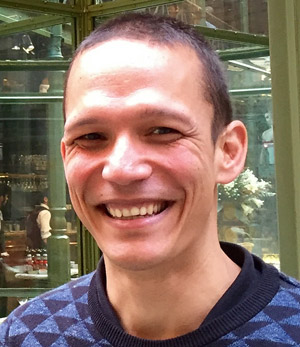
Dr. Peter Dynoodt
As a molecular biologist, Dr Dynoodt is engaged in the development of a range of oncology-related diagnostic tools for targeted therapeutics. His work as product development scientist for OncoMark Ltd (Dublin) focuses on clinical research and validation of a novel prognostic assay for early stage breast cancer. Previously, he was engaged in several European Union-funded projects including the Sys-Mel Consortium which investigates molecular pathways underlying melanoma proliferation.
His expertise in melanoma, the most lethal of skin cancers, developed as an outcome of his academic work studying the role of microRNAs in skin, and his experience in integrating the areas of cell culture, histology and biostatistics. He is particularly interested in the microRNA regulation of pigmentation; he has studied microRNA profiles in culture, developed a pigmentation model, and identified a novel microRNA signature.
Dr Dynoodt received his first Masters degree in Industrial Engineering and Biotechnology from the Hogeschool Ghent (Belgium), and his second Masters, in Molecular Biotechnology, and PhD in Life Science and Medicine from the University of Ghent.


